
Property Upgrading in Singapore: From HDB to Condo and Beyond
A strategic roadmap for homeowners ready to upgrade their living situation and grow their property portfolio
Overview
Property upgrading is a cornerstone of asset progression for Singaporean families. The journey from an HDB flat to a private condominium represents not just a lifestyle change but a deliberate wealth-building strategy. This guide walks you through every consideration, from timing your exit to financing your upgrade.
Key Takeaways
- Learn when upgrading makes financial sense versus staying put
- Understand the true costs of upgrading beyond just the price difference
- Discover strategies to maximise your HDB sale proceeds
- Navigate ABSD implications for second property purchases
- Build a long-term property plan aligned with retirement goals
Is Upgrading Right for You?
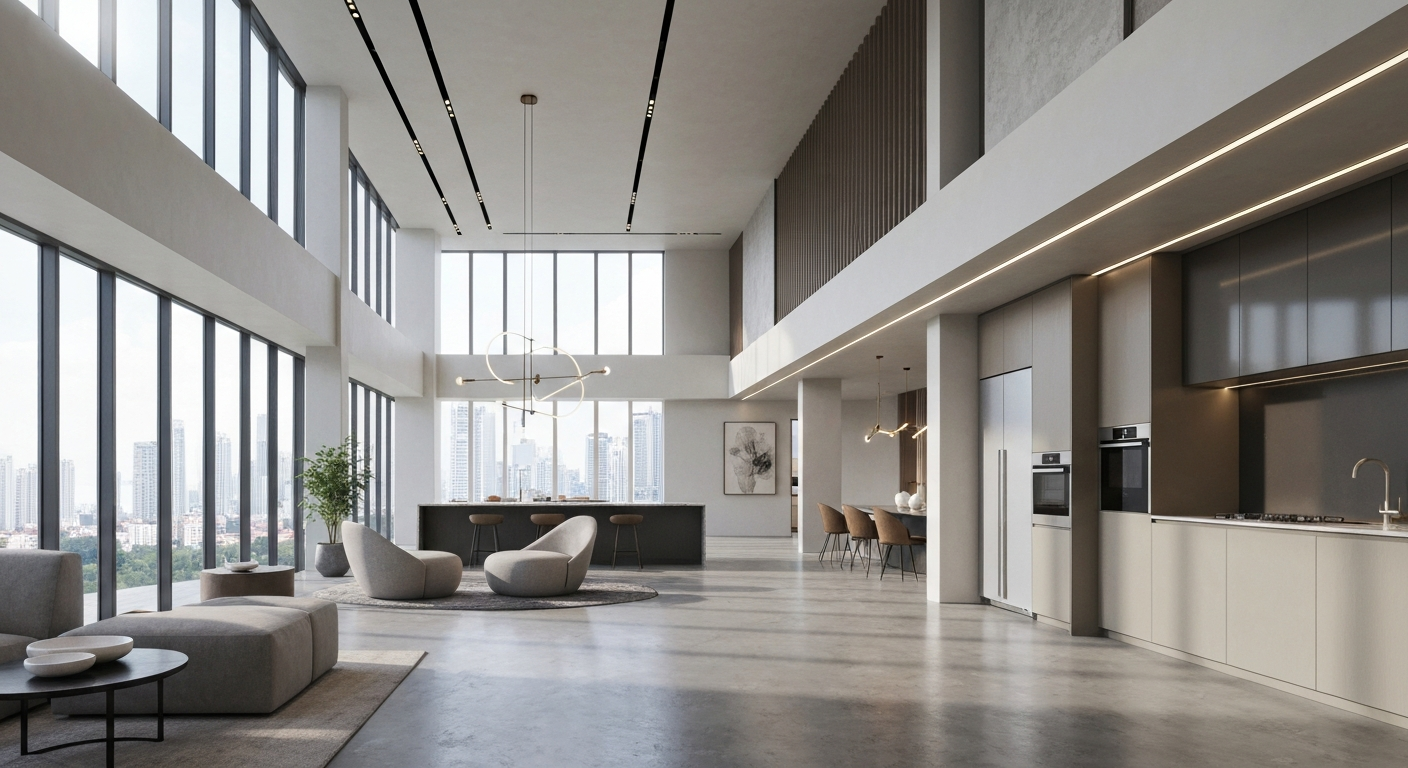
Upgrading should align with both your lifestyle aspirations and financial capacity. Ask yourself: Do you genuinely need more space? Are you seeking better amenities or location prestige? Or is this primarily an investment decision?
A common mistake is upgrading too early, stretching finances thin. We recommend having at least 12 months of mortgage payments in liquid reserves before committing to an upgrade.
Consider the opportunity cost: funds tied up in property cannot be deployed elsewhere. For some families, renting out the HDB while buying a modest condo generates better cash flow than selling and buying large.
Understanding ABSD for Upgraders
Additional Buyer's Stamp Duty (ABSD) is the most significant cost for upgraders. Singapore Citizens pay 17% on second properties (20% for third onwards). Permanent Residents pay 20% on the first property and 30% on subsequent ones.
However, ABSD remission is available if you sell your existing home within six months of purchasing the new one. This 'bridge' period allows concurrent ownership without double duty — but requires precise execution.
Plan your timeline carefully: list your HDB for sale before or immediately upon exercising the option for your new property. Delays in either transaction can expose you to unexpected ABSD liability.
Maximising Your HDB Sale Proceeds
Your HDB sale proceeds fund your upgrade. Maximise them through strategic pricing, presentation, and timing. Engage professionals who understand valuation drivers specific to your town and flat type.
Key value factors include: remaining lease length (flats under 60 years face steeper price decline), floor level (higher floors typically command premiums), proximity to MRT, and renovation quality. Address these before listing.
Consider a professional valuation from multiple sources. Understanding your flat's realistic market value prevents overpricing (longer time on market) or underpricing (leaving money on the table).
Financing Your Upgrade
Private property loans differ significantly from HDB financing. Bank rates fluctuate with SORA, TDSR caps total debt at 55% of monthly income, and LTV ranges from 55–75% depending on loan tenure and outstanding loans.
For many upgraders, the cash proceeds from HDB sale cover the 25% downpayment (minimum 5% cash + 20% CPF/cash). But factor in BSD (3-4% of purchase price), legal fees (~$2,500-$5,000), and agent commissions (1-2%).
If retaining HDB for rental, note that LTV drops to maximum 45% for second properties, requiring larger cash outlay. Rental income can offset this but does not count toward TDSR computation directly.
Choosing Your Upgrade Property
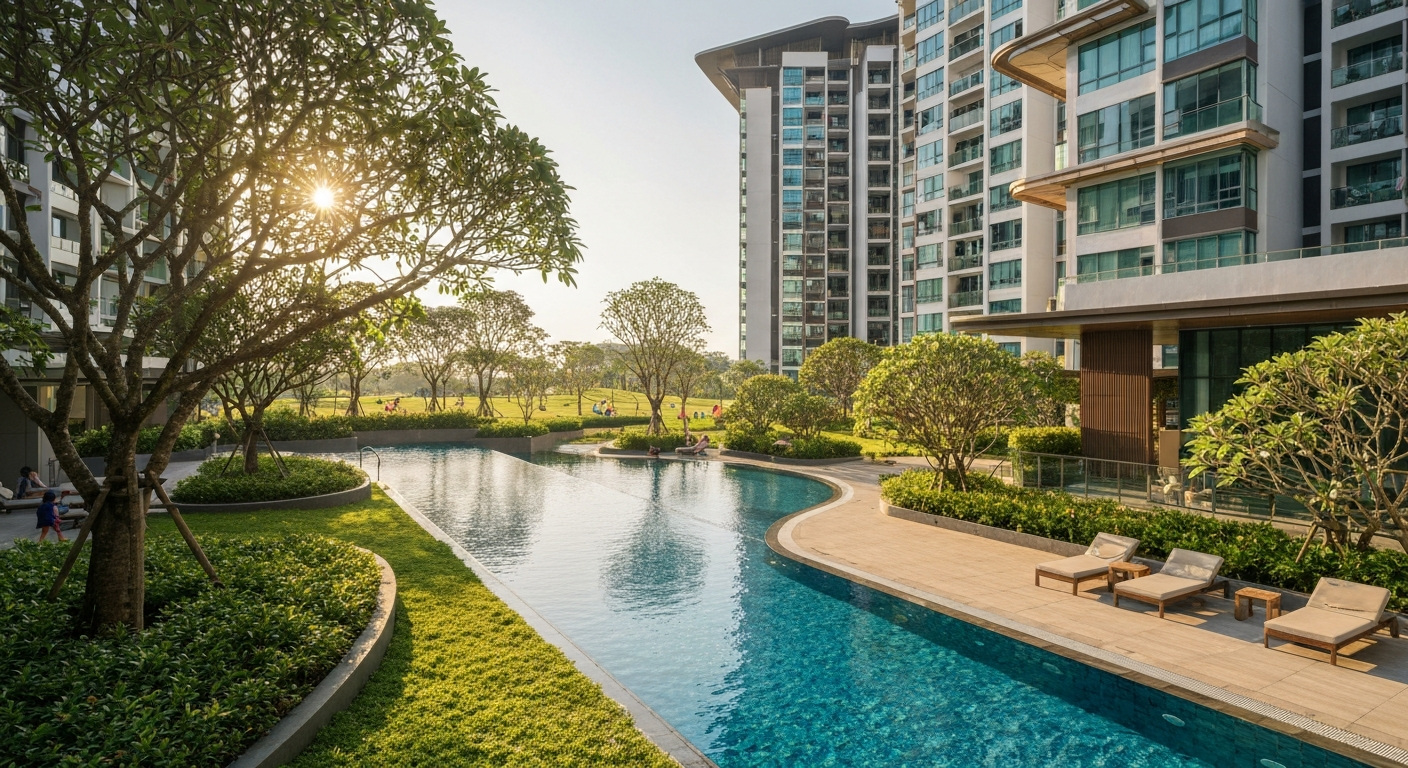
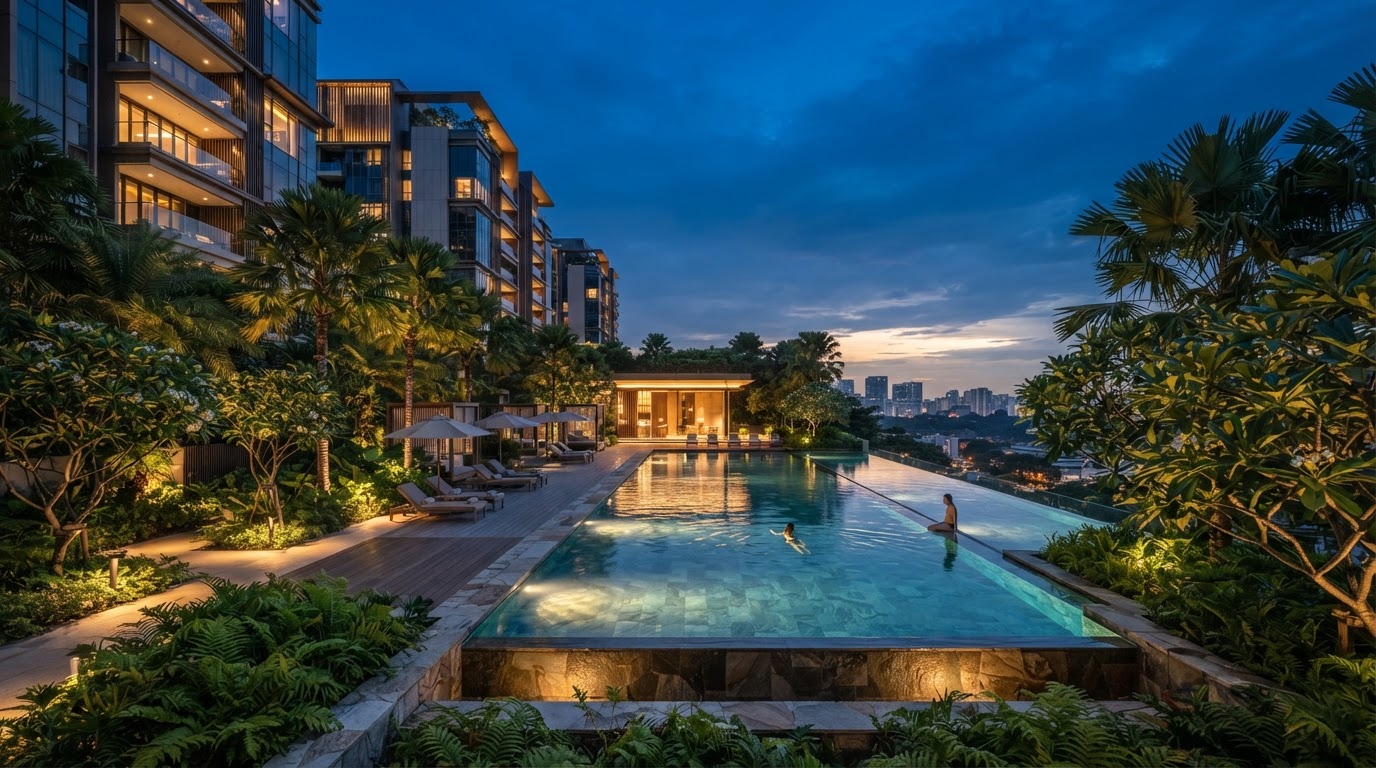
Define your non-negotiables: number of bedrooms, proximity to schools/work, facilities (pool, gym, security), lease status (freehold vs 99-year), and potential rental yield if investment matters.
Location remains paramount. OCR (Outside Central Region) condos offer better quantum per square foot than CCR (Core Central Region) options, with strong appreciation potential as areas develop.
New Launch (Developer Sale) vs Resale Condo: New launches offer progressive payment schemes and fresh 99-year leases but carry higher PSF and completion risk. Resale condos allow immediate inspection and negotiation.
Building Your Long-Term Property Plan
An upgrade is rarely the final step. Consider how this move positions you for future goals: children's education needs, eventual right-sizing in retirement, or estate distribution planning.
Diversification matters. Some successful upgraders retain their HDB for rental income while owning a modest condo, creating dual-income streams. Others prefer consolidating into one premium property.
Review your strategy every 3–5 years. Market conditions, personal circumstances, and government policies evolve. What made sense today may need adjustment tomorrow.
Related Articles
Deepen your understanding with these focused guides.

Plan Your Property Upgrade Strategy
Receive a personalised analysis of your HDB equity, upgrade affordability, and optimal timing recommendations.
Personalised Analysis
Tailored insights based on your unique situation
Quick Response
We respond within 24 hours
No Obligation
Complimentary initial consultation
Frequently Asked Questions
Other Comprehensive Guides

READY TO FIND YOUR DREAM HOME?
Let us guide you to the perfect property