
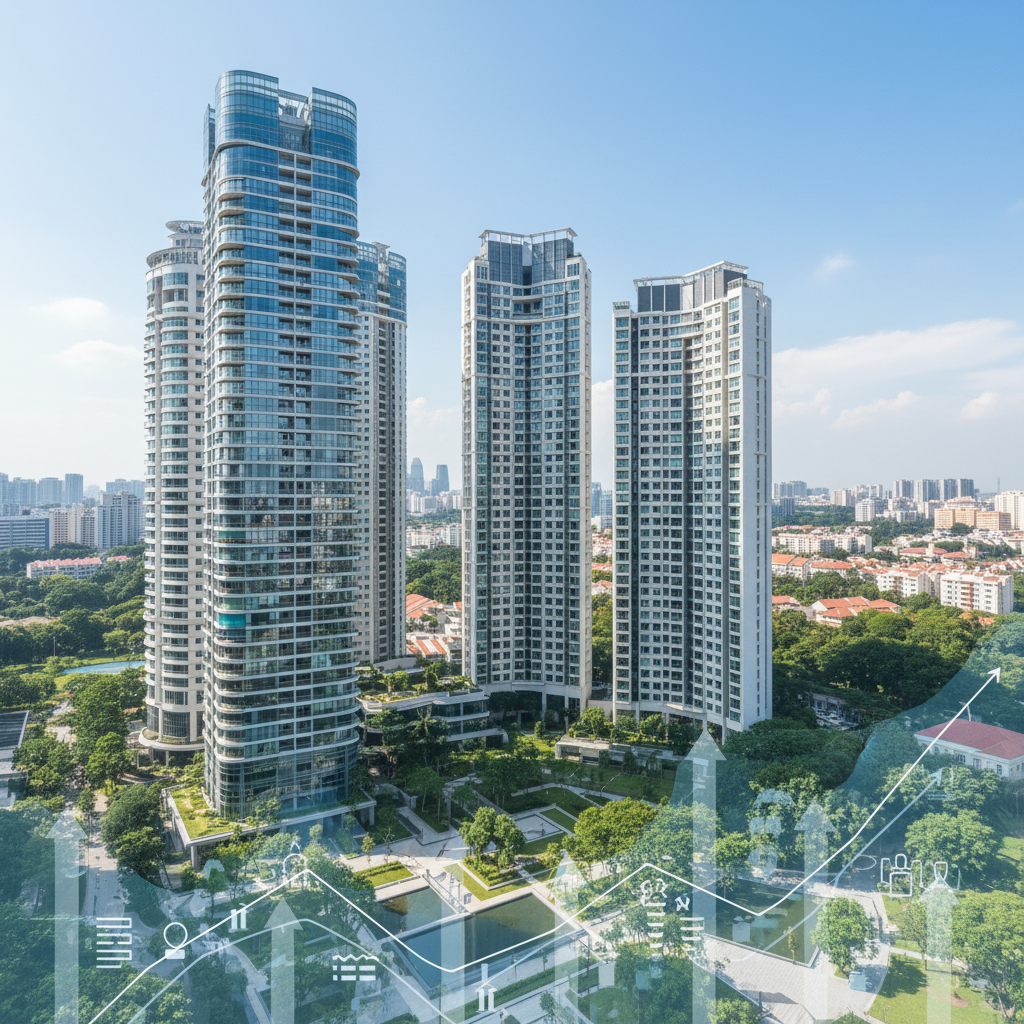
Understanding the En Bloc Sale in Singapore Property
The Singapore property market uses special terms. One important term is “en bloc sale”. An en bloc sale means homeowners collectively sell their entire development to a single buyer, usually a property developer. This process is often complex. It offers both big rewards and significant challenges for everyone involved. For a homeowner, a successful en bloc sale can mean a higher payout than selling their individual unit on the open market. For a property developer, an en bloc site gives the chance to build a new project with higher density and modern facilities.
This comprehensive guide explains the en bloc sale process in Singapore. We will look at what an en bloc sale is. We will discuss why it happens. We will also cover the steps involved. We will look at the benefits and the downsides for both sellers and buyers. We will use real Singapore examples to make the concepts clear. This information will help property buyers, sellers, and real estate professionals. Understanding the en bloc sale is important. It helps you make good decisions in Singapore’s dynamic property market. We aim to provide clear, actionable advice. This advice focuses on practical aspects of the en bloc sale. Knowing the rules and procedures is key. This knowledge helps you navigate this special type of property transaction.
What is an En Bloc Sale and Why Does it Happen?
An en bloc sale, also called collective sale, is a process where owners of multiple units in a private property development agree to sell their entire property to one buyer. This is different from selling individual units. The entire land parcel changes ownership. Property developers are the typical buyers. They buy the older developments to redevelop them. They build new, modern condominiums or other property types. These new developments often have higher plot ratios and better facilities.
There are several reasons why en bloc sales happen in Singapore. Firstly, many older developments have lease decay. This means the remaining lease term on the land decreases. As leases get shorter, the value of individual units can drop. An en bloc sale provides a way for owners to realise the full value of their land share. It sells the land before the lease runs too low. Secondly, older buildings can have maintenance issues. They might lack modern facilities like larger gyms or smart home features. Developers see value in these older sites. They can tear down the old building. They can build a new development that meets current market demands. For example, developments built in the 1970s and 1980s often sit on large land plots. These plots might have a lower plot ratio than what current urban planning allows. This makes them attractive for redevelopment.
The motivations for owners also vary. Some owners might want to cash out of an ageing asset. They wish to upgrade to a newer, larger, or more centrally located home. Others might see the en bloc sale as an investment opportunity. They believe the collective sale price will be significantly higher than individual unit prices. This premium can be substantial. For developers, an en bloc sale offers a strategic land banking opportunity. It allows them to acquire prime land parcels in established areas. These areas often have good transport links and amenities. The opportunity to build a new, higher-density project means greater profit potential. This cycle of renewal is a feature of Singapore’s urban landscape. For instance, the former Shunfu Ville in Bishan was successfully sold en bloc. It became the new Jadescape development. This shows how older properties are transformed into modern living spaces.
The En Bloc Sale Process in Singapore: A Step-by-Step Guide
The en bloc sale process in Singapore is detailed. It follows strict legal procedures. Understanding these steps is important for all participants. The process starts with owners forming a Collective Sale Committee (CSC). This committee represents the owners. Its first task is to gather the required consent. For developments less than 10 years old, 90% of owners by share value and strata area must agree. For developments 10 years old or more, the threshold is 80%. This consent is crucial. Without it, the sale cannot move forward. The CSC will hold meetings to discuss the sale. They might engage property consultants and lawyers. These professionals provide advice on market value and legal aspects.
Once theCSC gains the necessary consent, they appoint a marketing agent. This agent helps list the property for sale. They conduct marketing activities to attract potential buyers, usually property developers. The property is often sold through a public tender process. Developers submit bids. The CSC evaluates these bids. They choose the most favourable offer. If a suitable offer comes in, a sale and purchase agreement is drafted. All owners who consented must sign this agreement. This ensures everyone is bound by the sale terms. Take the case of Tulip Garden. It was successfully sold en bloc in 2018. The CSC worked for a long time to get agreement from owners.
After agreeing on a price and signing the contract, the sale requires legal approval. For developments where the 90% consent threshold was met, the sale can be direct. If it is between 80% and 90% consent for older developments, the Strata Titles Board (STB) must approve the sale. Objecting owners can raise concerns with the STB. The STB will review these objections. They ensure the sale is fair and equitable to all owners. This step protects minority owners. It ensures they are not unfairly forced to sell their homes. For example, residents of Amber Park managed to sell their property en bloc after a successful application to the STB. This was important because some owners did not agree at first. The STB checks if the sale decision is fair to everyone. The STB ensures the sale price reflects market value. They also look at compensation for moving. Once approved, the sale completes, and owners receive their payouts. This entire process can take many months, sometimes even years, to finalise. Patience and cooperation among owners are important for a successful en bloc sale.
Benefits and Downsides of En Bloc Sales for Owners
En bloc sales offer significant benefits for property owners. The primary benefit is the potential for a higher sale price compared to selling an individual unit. Developers often pay a premium for the collective land. This premium accounts for the development potential. For example, owners of the former Chancery Court received a good premium when it was sold en bloc. This allowed many to upgrade their living arrangements. Another benefit is the chance to exit an older property. Owners leave behind issues like rising maintenance costs or declining lease value. This allows them to invest in newer properties. Sometimes, it frees up cash for other uses. Owners can use the proceeds to buy a new home, perhaps a larger one or one in a different location. The collective sale also offers a clean break without the hassle of individual unit showings and negotiations.
However, en bloc sales also have downsides for owners. One major challenge is getting the necessary consent. Reaching 80% or 90% agreement can be difficult. Owners often have different views on price expectations or resettlement plans. This can lead to internal disputes and delays. Some owners might have emotional ties to their homes. They might not wish to move, regardless of the financial gain. This resistance can stall the entire process. Another downside is the uncertainty surrounding the timeline. The process can extend for years. This leaves owners in limbo. They do not know when they will move or receive their funds.
Finding a replacement home can also be stressful. Owners must compete in the open market to buy a new property. They might face higher prices. They might not find a suitable unit within their budget. For example, after an en bloc, owners of Eunosville had to find new homes. Some found it hard to find similar sized properties in equally convenient locations for the same price. There are also financial considerations like capital gains tax. Stamp duties on a replacement property must be factored in. Legal fees for the en bloc sale itself also add up. Some owners might not see a clear financial advantage after accounting for these costs. For retired owners, the sudden need to find a new home and manage a large sum of money can be particularly challenging. Understanding these benefits and downsides is important for any owner considering an en bloc sale.
Impact of En Bloc Sales on Singapore's Property Market
En bloc sales have a significant impact on Singapore’s property market. On the supply side, a successful en bloc sale removes older properties from the market. It replaces them with new, modern developments. This increases the total number of housing units in Singapore. For example, when a large estate like Farrer Court was sold en bloc and redeveloped into D’Leedon, it added many new units to the supply. This helps meet housing demand. These new units often feature better designs, facilities, and more efficient use of land. This aligns with Singapore’s need for sustainable urban development. It helps Singapore grow as a city.
On the demand side, en bloc sales create a pool of cash-rich sellers. These sellers re-enter the property market as buyers. They look for new homes. This surge in demand can lead to upward pressure on property prices, especially for properties in desirable locations. For instance, after a wave of successful en bloc sales between 2016 and 2018, many sellers became active buyers. This contributed to price increases in several segments of the market. This renewed demand can also influence rental markets if some owners choose to rent temporarily before buying. For developers, en bloc sales are a vital source of land bank. They acquire prime sites without having to bid on government land sales. This allows them to plan future projects and maintain a steady pipeline of developments.
However, a high volume of en bloc sales can also lead to oversupply in the long run if too many new units come onto the market at once. This impacts rental yields and sale prices. The government monitors these trends. They implement measures to manage market stability. For example, cooling measures might be introduced to prevent overheating the market. En bloc sales also support the construction sector. They create jobs for architects, engineers, and construction workers. They stimulate economic activity. The transformation of older buildings into modern landmarks contributes to Singapore’s urban renewal. It enhances the cityscape. The positive overall effect is the rejuvenation of our city’s built environment. This renewal gives residents better living environments. It gives Singapore a modern face.
Get Expert Property Advice Today
WhatsApp us to learn how we can support your property journey in Singapore.