
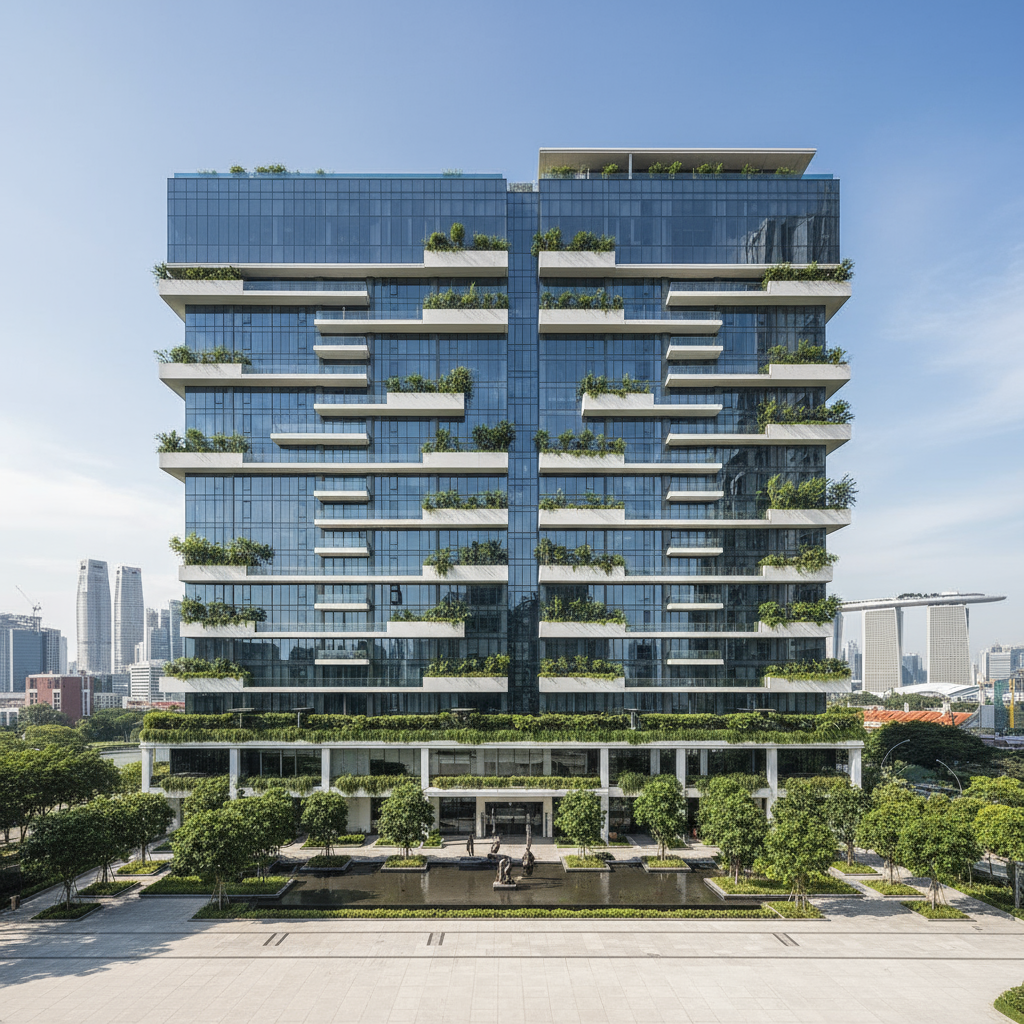
Passing the Real Estate Exam in Singapore: Your Complete Guide
Becoming a real estate professional in Singapore offers a rewarding career. It allows you to help people find their dream homes, invest wisely, and navigate the property market. To achieve this, you must pass the real estate exam in Singapore. This exam ensures that all practitioners have a strong understanding of property laws, market practices, and ethical conduct. ZaiDean is here to guide you through this important process. We provide clear information and practical advice to help you succeed.
The real estate industry in Singapore is well-regulated. The Council for Estate Agencies (CEA) sets the standards for all property agents. The real estate exam in Singapore is a critical step in meeting these standards. It is a comprehensive test covering many aspects of real estate. These aspects include land law, landlord-tenant relationships, marketing, and ethical obligations. Understanding the exam structure and preparing effectively can make a big difference. This guide will break down what you need to know, from eligibility to study tips and what to expect after passing. We aim to equip you with the knowledge needed to confidently approach your real estate exam in Singapore.
Understanding the Real Estate Exam in Singapore Landscape
The real estate exam in Singapore, officially known as the Real Estate Salesperson (RES) examination, is a mandatory requirement for anyone wanting to become a property agent. The Council for Estate Agencies (CEA) oversees this examination. Its purpose is to ensure all property agents possess a fundamental level of knowledge and competence. This protects consumers and maintains professionalism within the industry. The exam is not just about memorising facts; it tests your understanding of how real estate transactions work in Singapore.
Before you can even sit for the real estate exam in Singapore, you must meet specific eligibility criteria. These criteria include:
* Age Requirement: You must be at least 21 years old. This ensures that candidates have reached an age of maturity suitable for handling significant financial transactions.
* Educational Qualification: You need to hold at least four GCE ‘O’ Level passes or an equivalent qualification. This minimum academic standard ensures candidates have a basic level of literacy and numeracy. For example, a candidate with a Polytechnic Diploma or a University Degree would also meet this requirement. The CEA provides a list of acceptable qualifications. If you have foreign qualifications, you must get them evaluated by a body like the Singapore Examinations and Assessment Board (SEAB).
* Citizenship/Residency: You must be a Singapore Citizen or Permanent Resident. This requirement ensures that property agents have a vested interest in the local market and abide by Singaporean laws.
* No Criminal Record: You must not have any criminal convictions involving fraud, dishonesty, or violence. This is crucial for maintaining public trust in the real estate industry.
* No Bankruptcy: You must not be an un-discharged bankrupt. This ensures financial stability and trustworthiness.
* Not a Director of a Licensed Estate Agent: You cannot be a director or employee of a licensed estate agent firm while also applying to be a salesperson. There are clear distinctions between roles.
Meeting these prerequisites is the first step. Once you confirm your eligibility, you can enrol in a CEA-approved RES course. This course is compulsory before you can register for the real estate exam in Singapore. The course provides the structured learning environment needed to cover the extensive syllabus. Without completing this course, you cannot proceed to the examination.
Preparing for Your Real Estate Exam in Singapore
Effective preparation is key to passing the real estate exam in Singapore. The exam covers a wide range of topics, so a structured study plan is essential. The RES course provided by CEA-approved course providers is your primary resource. These courses are designed to cover the entire syllabus in detail. They include lectures, tutorials, and sometimes mock exams.
The syllabus for the real estate exam in Singapore is divided into two papers.
Paper 1 focuses on:
* Real Estate Agency Industry Overview: This includes the role of the CEA, licensing requirements, and the industry structure.
* Basic Land Law Concepts: Understanding property ownership, types of estates, and legal interests in land. For example, knowing the difference between freehold and leasehold properties is fundamental.
* Planning and Development Control: Knowledge of the Master Plan, conservation rules, and development charges. This helps agents understand what can be built where.
* HDB Policies: Rules and regulations related to HDB flats, including eligibility, buying, selling, and leasing. A good example is understanding the Minimum Occupation Period (MOP) for HDB owners.
* Property Taxation: Property tax, stamp duties (Buyer’s Stamp Duty, Seller’s Stamp Duty, Additional Buyer’s Stamp Duty), and Goods and Services Tax (GST) as they apply to property transactions.
Paper 2 focuses on:
* Legal Framework and Processes: Sale and purchase agreements, tenancy agreements, and the legal procedures involved in property transactions.
* Financial Calculations: Mortgage loan calculations, affordability assessments, and investment analysis. This involves practical application of mathematical skills.
* Marketing and Ethics: Professional conduct, advertising guidelines, and ethical obligations of property agents. For example, understanding regulations on false advertising is crucial.
* Rental of Properties: Specific rules for leasing residential and commercial properties, including the Tenancy Agreement (TA) terms.
* Property Management: Basic concepts of managing properties, although this is less detailed than agency work.
To prepare effectively for the real estate exam in Singapore, consider these tips:
By following a disciplined study routine and utilising all available resources, you can build a strong foundation for the real estate exam in Singapore.
The Real Estate Exam in Singapore: What to Expect on Exam Day
The real estate exam in Singapore is a challenging but fair test. Knowing what to expect on exam day can help reduce anxiety and improve your performance. The exam is administered by the CEA-appointed examination administrator, currently NTUC LearningHub.
The exam format consists of two papers, usually taken on separate days or with a significant break in between. Each paper is typically 2.5 hours long.
* Paper 1 (2.5 hours):
* 60 multiple-choice questions (MCQs) for Section A (4 marks each)
* 20 multiple-choice questions (MCQs) for Section B (5 marks each)
* 2 case study questions with 5 multiple-choice questions each for Section C (6 marks each question, total 60 marks)
* Paper 2 (2.5 hours):
* 60 multiple-choice questions (MCQs) for Section A (4 marks each)
* 20 multiple-choice questions (MCQs) for Section B (5 marks each)
* 2 case study questions with 5 multiple-choice questions each for Section C (6 marks each question, total 60 marks)
The passing mark for each paper is 60%. You must pass both Paper 1 and Paper 2 to clear the real estate exam in Singapore. If you pass one paper but fail the other, you only need to retake the failed paper within two years from the month of passing the first paper. For example, if you pass Paper 1 in January 2023, you have until January 2025 to pass Paper 2. If you do not pass the second paper within this timeframe, you will need to retake both papers.
On exam day, remember these important points:
* Arrive Early: Get to the examination venue well before the start time. This allows you to settle down and avoid last-minute rush stress.
* Bring Required Documents: You must bring your NRIC/Passport and the official admission slip. Without these, you may not be allowed to sit for the exam.
* No Unauthorised Materials: Only permitted items like pens, pencils, and a non-programmable calculator are allowed. Mobile phones and smartwatches are usually not permitted in the exam hall.
* Read Instructions Carefully: Before answering, take a moment to read all instructions for each section. This prevents careless mistakes.
* Manage Your Time: Allocate your time wisely for each section. Do not spend too much time on a single difficult question. Answer the easier questions first and come back to the challenging ones if time permits.
* Review Your Answers: If you finish early, use the remaining time to review your answers. Check for any errors or questions you might have misread.
The results for the real estate exam in Singapore are typically released a few weeks after the examination date. You will receive an email notification when the results are available on the examination administrator’s portal. A “Pass” result means you have successfully completed the examination stage.
Beyond the Real Estate Exam in Singapore: Your Next Steps
Passing the real estate exam in Singapore is a huge accomplishment, but it is not the final step to becoming a property agent. After successfully clearing both papers, there are a few more important steps you need to take to get your license and start your career.
Here is a clear breakdown of the post-exam process:
Starting your career after passing the real estate exam in Singapore is an exciting time. Here are some practical tips for new agents:
* Build Your Network: Connect with other agents, mentors, and industry professionals. Networking can open doors to new opportunities and provide valuable learning experiences.
* Understand the Market: Continuously study the property market. Know the different districts, property types, and price trends. For instance, understanding why District 9 (Orchard, River Valley) commands higher prices than District 19 (Hougang, Punggol) is essential.
* Master Your Tools: Learn how to use property portals, CRM systems, and other digital tools effectively. These tools are crucial for listing properties, managing leads, and communicating with clients.
* Focus on Customer Service: Excellent customer service builds trust and leads to referrals. Always act in the best interests of your clients.
* Seek Mentorship: Find an experienced agent who can guide you. A good mentor can share practical knowledge and help you avoid common mistakes.
The real estate exam in Singapore is just the beginning. The journey to becoming a successful property agent involves continuous learning, hard work, and dedication. With the right approach and support from your agency, you can build a thriving career in Singapore’s dynamic property market. ZaiDean is committed to supporting professionals in this journey.
Get Expert Property Advice Today
WhatsApp us to learn how we can support your property journey in Singapore.