

HDB Market Outlook Singapore: Unpacking the Absence of Housing Focus in Budget 2026
The recent Budget 2026 announcement provided a quiet moment for the Singapore housing market. Many anticipated fresh measures or significant policy shifts, especially regarding public housing. However, the apparent lack of direct discussion on HDB flats, Executive Condominiums (ECs), or private home prices offers its own set of insights into the current HDB market outlook Singapore.
For several years, housing affordability and the ongoing supply of HDB flats were central themes in governmental communications. The muted focus on these areas in the latest budget suggests a change in the official perspective regarding the urgency of intervention. This shift is particularly telling.
The Evolving HDB Market Outlook Singapore: Supply and Moderation
One primary reason for the reduced emphasis on housing in Budget 2026 could be the significant progress made in stabilising the public housing market. Data from 2025 indicated a moderation in HDB resale price growth. While prices still increased, the rate of growth slowed considerably compared to previous years.
This moderation can be largely attributed to the substantial increase in housing unit supply. The government has consistently launched a high volume of Build-To-Order (BTO) and Sale of Balance Flats (SBF) units. Over recent years, a significant number of BTO flats have entered the market, alleviating some demand pressures. Furthermore, a large number of flats reaching their Minimum Occupation Period (MOP) in 2026 is expected to inject more units into the resale market, contributing to further price stability.
The cumulative effect of these supply-side interventions appears to be yielding results. The market is showing signs of rebalancing, reducing the immediate need for explicit new measures in the budget speech. The silence itself conveys a message of a market that is, for now, settling into a more predictable rhythm.
Income Ceilings and the Singapore Private Property Market Update
Despite the broader market moderation, some specific concerns remain unaddressed. Many buyers, particularly those considering Executive Condominiums (ECs), had hoped for an increase in income ceilings. The current income limits can be restrictive for a segment of the population, impacting their ability to purchase ECs.
The absence of changes to income ceilings in Budget 2026 suggests the government is maintaining its current stance on affordability criteria for these hybrid properties. This also indirectly affects the Singapore private property market update, as ECs often bridge the gap between HDB and private condominiums. For some, the income ceiling remains a barrier to upgrading.
Without adjustments, prospective EC buyers might find their options limited, potentially pushing some into the resale HDB market or towards smaller private properties if their budget allows. This subtle impact of budget decisions on broader market dynamics should not be overlooked.
The Impact of Budget on Singapore Real Estate and Future Considerations
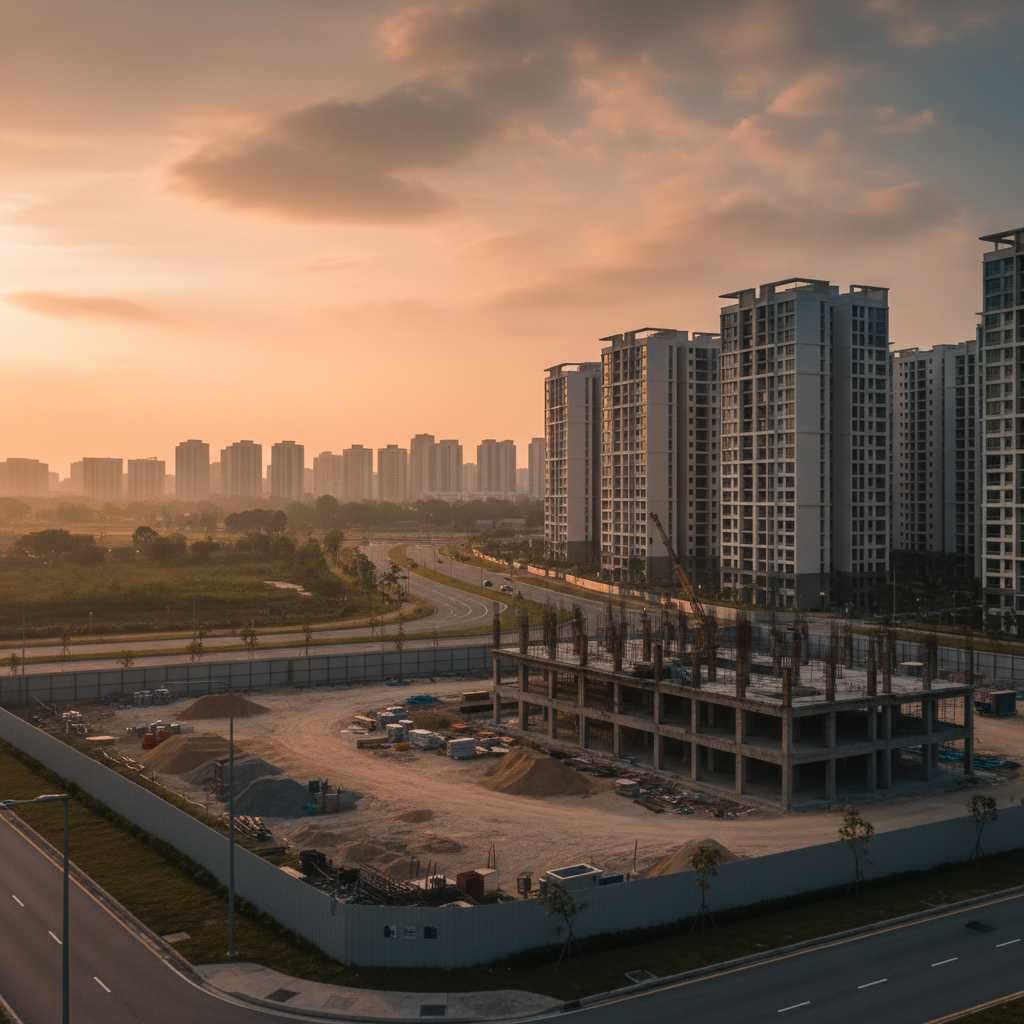
While Budget 2026 did not introduce dramatic housing policies, its implicit messaging offers insights into the prevailing conditions. The current focus seems to be on allowing previous supply-side measures to fully integrate into the market. This approach influences the overall impact of budget on Singapore real estate, signalling a period of consolidation rather than aggressive expansion.
For those involved in the property market, understanding this broader context is key. The lack of new interventions might suggest that the government views the current policies as sufficient for now, allowing market forces to adjust based on the increased supply. However, the impact of budget on Singapore real estate is always ongoing, and future adjustments could still be made if conditions change significantly.
The property landscape is dynamic, and while explicit housing announcements were scarce this time, consistent monitoring of market indicators and future governmental statements remains essential for investors and homeowners alike.
Broader Economic Factors and Real Estate
Beyond direct housing measures, broader economic policies outlined in the budget inevitably play a role. Factors like inflation control, employment rates, and overall economic growth will continue to influence buyer sentiment and affordability. A stable economic environment typically supports a healthy real estate market, even without specific housing policy changes.
The government’s commitment to supporting economic stability indirectly contributes to the resilience of the property sector. This indirect support forms a crucial part of the overall strategy impacting real estate in Singapore.
How ZaiDean Can Help With HDB Market Outlook Singapore

Understanding the nuances of the HDB market outlook Singapore requires a clear and informed perspective. My analysis provides straightforward insights into market trends and policy implications, avoiding jargon and speculation. With the recent Budget 2026, the absence of new housing measures suggests a period of market rebalancing driven by prior supply injections. This shift, combined with economic factors, shapes the current property landscape and has an impact on Singapore real estate. For those looking to navigate these conditions, ZaiDean offers practical, honest advice to help you make well-informed property decisions, whether for HDB, ECs, or the private market.