
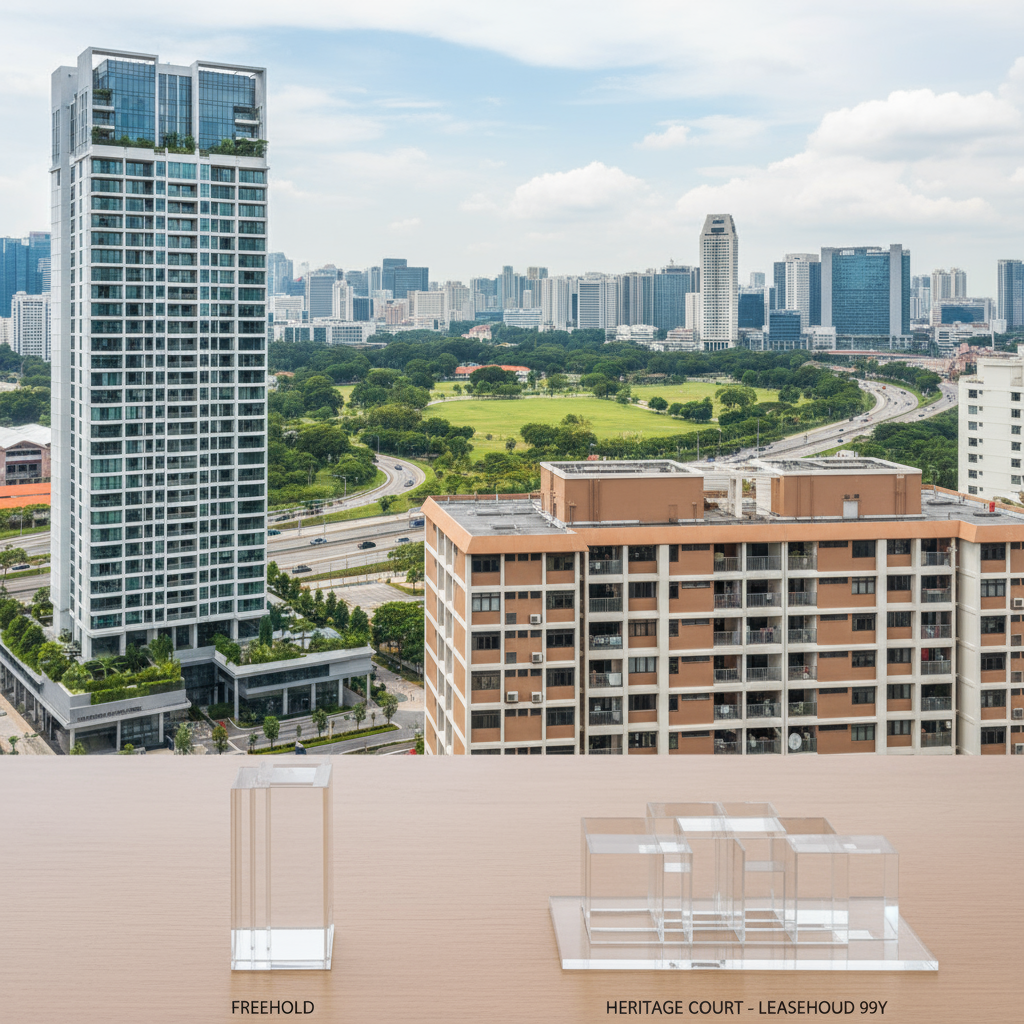
Freehold vs Leasehold Singapore: Understanding Your Property Choices
Buying a property in Singapore is a big decision. One of the most important choices you will make is between freehold and leasehold ownership. This guide explains the differences. It helps you understand what each type means for you as a property owner. ZaiDean has helped many people make this choice. We see the questions people have about freehold vs leasehold Singapore. This article provides clear answers.
Singapore’s land is a precious resource. The government controls most of it. This affects how property ownership works. Knowing about freehold and leasehold helps you make a good investment. It also helps you plan for your future. We will look at what each term means. We will discuss the pros and cons. We will also give practical advice for buyers and sellers in Singapore. Understanding these concepts is key to a successful property journey.
What is Freehold Property in Singapore?
Freehold property means you own the land and the building on it forever. There is no time limit to your ownership. This type of ownership is rare in Singapore. It offers the highest level of control and security. When you buy a freehold property, it belongs to you and your heirs indefinitely.
The Land Titles Act governs freehold properties. This law ensures your ownership is clear. Freehold properties are often older. Many were built before the government started leasing land more often. New freehold land is almost never released by the government. This makes existing freehold properties very valuable.
For example, many landed houses in districts like District 10 (Bukit Timah, Holland Road, Tanglin) are freehold. Condominiums like The Avenir in River Valley are also freehold. These properties often fetch higher prices. Buyers value the perpetual ownership. They see it as a long-term asset.
Advantages of Freehold Ownership
* Permanent Ownership: You own the property forever. This gives peace of mind.
* No Lease Decay: The value does not decrease over time due to a expiring lease.
* Estate Planning: You can pass the property down through generations easily.
* Potential for En Bloc Sale: Freehold properties can have good collective sale potential. This is because developers do not need to top up a lease when they buy it.
* Higher Resale Value: Generally, freehold properties hold their value better. They can also see better capital appreciation over the long term.
Disadvantages of Freehold Ownership
* Higher Price: Freehold properties usually cost more than leasehold properties of similar size and location.
* Limited Supply: There are fewer freehold properties available in Singapore. This makes them harder to find.
* Less Rental Yield: Due to the higher purchase price, the rental yield might be lower compared to leasehold properties.
Let’s consider a case study. Mr. Tan bought a freehold semi-detached house in Serangoon Gardens 30 years ago. He paid S$1 million. Today, similar properties in the area are selling for S$4-5 million. The value grew significantly. He never worried about a lease running out. His children will inherit the property without issue. This shows the long-term benefit of freehold ownership.
What is Leasehold Property in Singapore?
Leasehold property means you own the property for a fixed period. The most common lease periods in Singapore are 99 years and 999 years. After the lease ends, the land returns to the original owner, usually the government.
Most HDB flats are 99-year leasehold. Many private condominiums and executive condominiums (ECs) are also 99-year leasehold. Some older properties have 999-year leases. These are almost like freehold because the lease is so long. However, they are still technically leasehold.
When you buy a 99-year leasehold property, the clock starts ticking the day the lease began. If a condo was built in 1990 with a 99-year lease, by 2024, it has about 65 years left. This remaining lease period is very important for property value.
The Leasehold Estate is governed by specific laws. These laws define the rights and responsibilities of the lessee (the property owner) and the lessor (the land owner). For HDB flats, the Housing & Development Board is the lessor. For private properties, the Singapore Land Authority (SLA) or a private developer may be the lessor.
Common Leasehold Terms
* 99-year lease: This is the most common lease term for HDB flats and private condominiums.
* 999-year lease: These are rare. They are often for older private developments. They behave much like freehold properties in terms of value.
* 30-year lease: This applies to some industrial or commercial properties. It is not common for residential properties.
Consider a property like The Interlace, a 99-year leasehold condominium. It was completed in 2013. The lease started earlier, perhaps around 2008. This means its lease will expire around 2107. Buyers look at the remaining lease carefully before buying.
Advantages of Leasehold Ownership
* More Affordable: Leasehold properties are generally cheaper than freehold properties. This makes them more accessible for many buyers.
* Wider Selection: Most properties in Singapore are leasehold. This gives buyers more choices in location, size, and type.
* Good Rental Yield: The lower purchase price can lead to a higher rental yield. This is attractive for investors.
* Government-Backed Schemes: HDB flats, which are leasehold, come with various government grants and subsidies.
Disadvantages of Leasehold Ownership
* Lease Decay: The value of the property decreases as the lease shortens. This is known as lease decay.
* Difficulty in Selling: Properties with very short leases (e.g., less than 60 years) can be harder to sell. Banks may also be less willing to grant loans for them.
* Lease Expiry: The property reverts to the state at the end of the lease. Owners do not get compensation.
* En Bloc Challenges: While leasehold properties can go en bloc, developers must pay a premium to top up the lease to a fresh 99 years. This makes it less attractive for developers compared to freehold.
A real example of lease decay is the older HDB flats. Many flats in areas like Ang Mo Kio built in the 1970s now have leases of about 50-60 years remaining. Their value has started to decline compared to newer flats. Banks also lend less for these older properties.
Leasehold vs Freehold Singapore: Key Differences and Implications
The choice between freehold and leasehold affects many aspects of property ownership. These include value, financing, and future plans. Understanding these differences helps you make a choice that fits your goals.
Value and Appreciation
* Freehold: Tends to hold value better over long periods. Often sees stronger capital appreciation. This is because there is no expiring lease.
* Leasehold: Value is tied to the remaining lease. Properties with longer leases (e.g., 80+ years) can still appreciate well. As the lease shortens, especially below 60 years, value appreciation slows down or even declines.
Consider two identical condominiums. One is freehold, the other 99-year leasehold. Both are in the same location and built at the same time. The freehold unit will almost always sell for a higher price. The price difference can be 10-20% or more. This difference can grow over time.
Financing and Loans
* Freehold: Banks are usually willing to lend a higher Loan-to-Value (LTV) ratio. This is because the asset is permanent.
* Leasehold: For properties with long leases (e.g., 70 years or more), banks offer similar LTV ratios as freehold. However, for properties with very short leases (e.g., less than 60 years), banks may reduce the LTV. Some banks may not offer a loan at all. This makes it harder for buyers to get financing.
For instance, if you want to buy an HDB flat with 55 years left on its lease, your loan amount might be limited. The CPF Board also has rules on using CPF funds for properties with short leases. You cannot use CPF for properties with less than 30 years remaining. You can only use CPF up to a certain amount if the remaining lease is less than 60 years. This amount depends on the buyer’s age and the remaining lease.
Future Planning and Legacy
* Freehold: Ideal for passing down to future generations. The property remains in the family forever. It is a lasting legacy.
* Leasehold: The property’s value diminishes with time. Eventually, it reverts to the state. This means it has a limited lifespan for your family’s ownership. You need to consider this for long-term family wealth planning.
Many families in Singapore prefer freehold properties for legacy reasons. They want to leave something permanent for their children. For leasehold properties, families might consider selling before the lease gets too short. They can then reinvest the money.
En Bloc Potential
* Freehold: Generally more attractive for en bloc sales. Developers do not need to pay a lease top-up premium. This makes the deal more profitable for them.
* Leasehold: Can also go en bloc. However, developers must pay the government a premium to renew the lease to a fresh 99 years. This cost reduces the collective sale price for the owners. The older the leasehold property, the higher the lease top-up premium will be. This can make an en bloc less likely or less profitable for owners.
A well-known example is the collective sale of Tulip Garden (freehold) in 2018 for S$906.9 million. Compare this to the collective sale of Tampines Court (99-year leasehold) in 2017 for S$970 million. While Tampines Court’s absolute price was higher, the per-unit payout for Tulip Garden owners was very attractive due to its freehold status. Developers could pay more because they avoided lease top-up costs.
Practical Advice for Buyers and Sellers
Choosing between freehold and leasehold property is a personal decision. It depends on your financial situation, investment goals, and lifestyle. Here is some practical advice from ZaiDean.
Advice for Buyers
* Short to Medium Term (5-10 years): A leasehold property with a good remaining lease (e.g., 80+ years) can be a good option. You can enjoy capital appreciation. You can also get good rental yield if you plan to rent it out.
* Long Term (10+ years) or Legacy Planning: Freehold property is better for long-term holding. It is also good if you want to pass it down to your children.
* Example Scenario: A young couple wants to buy their first private condo. They have a budget of S$1.5 million. They plan to live in it for 7-10 years, then upgrade. A 99-year leasehold condo in a mature estate might offer better value for money. It might also offer better facilities than a small freehold unit in a less central area.
Advice for Sellers
* Young Lease (70+ years): Market it as a property with good appreciation potential. It might be priced more competitively than freehold.
* Mid-Life Lease (50-70 years): Be prepared for questions about financing. Price it fairly to attract buyers who may need to pay more cash.
* Short Lease (Below 50 years): Selling can be challenging. Buyers will have limited financing options. You might need to price it very attractively.
* Example Scenario: An owner is selling a 99-year leasehold condo with 60 years left on its lease. The property is well-maintained and in a good location. The ZaiDean agent advises the owner to price it slightly below comparable units with longer leases. This attracts cash-rich buyers or those who can get a smaller loan. The agent also highlights its good condition and proximity to amenities.
Ultimately, the decision between freehold and leasehold in Singapore comes down to your personal priorities. Do you value permanent ownership and long-term legacy? Or do you prefer more affordable entry prices and a wider selection? Both options have their merits. Both can be good investments. Knowing the differences helps you choose wisely. ZaiDean is here to guide you through this important decision.
Start Your Property Journey with Zaidean
Whether you’re buying, selling, upgrading, or exploring a career in real estate — Zaidean walks with you. We believe in clarity, results, and people-first service. WhatsApp us to book a consultation or learn how to grow with us.