
Understanding HDB flats Singapore Height
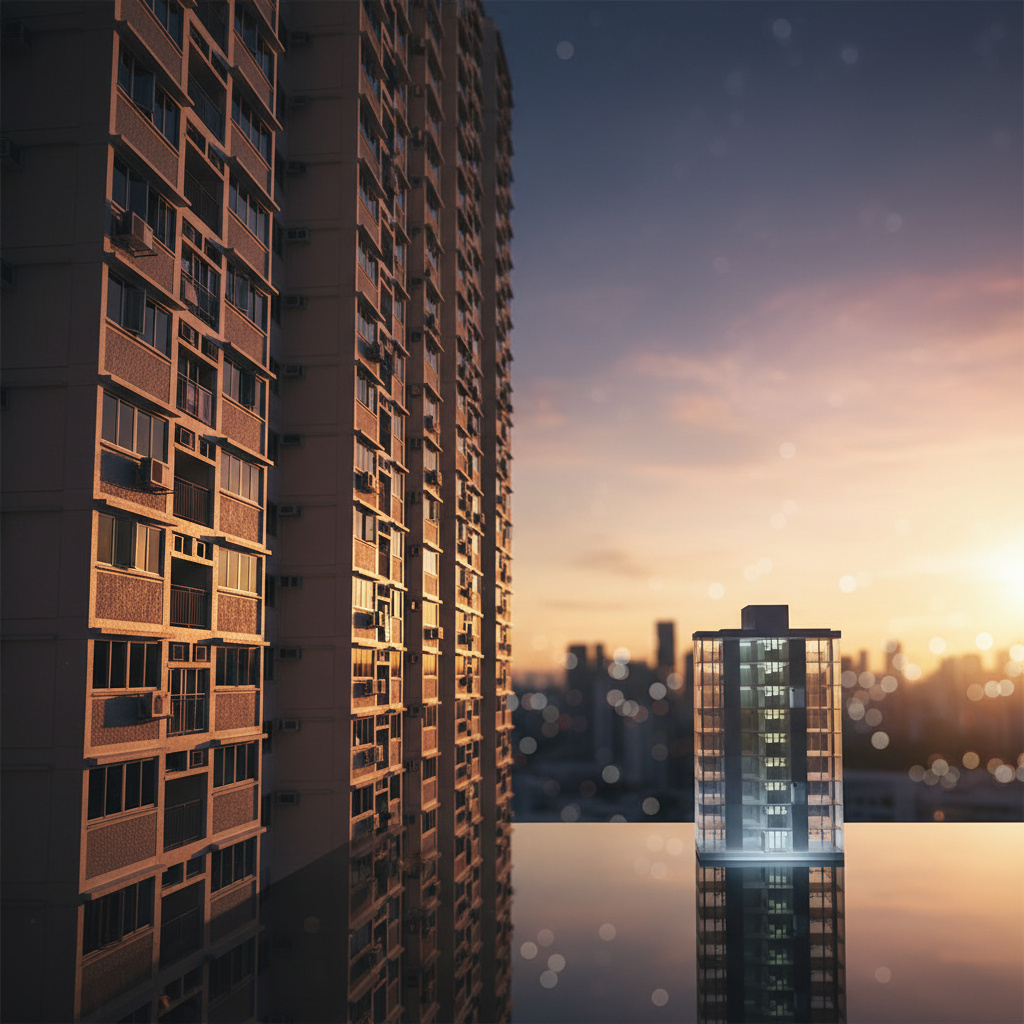
The height of HDB flats in Singapore is becoming an important topic for property owners and investors. With land scarcity, the government is exploring ways to maximise space. Building taller HDB developments is one such strategy.
Historically, most HDB blocks were around 30 to 40 storeys. However, some newer projects, like Pinnacle@Duxton and Alexandra Vale, reached 50 storeys. A proposed BTO project at Pearl’s Hill aims to exceed 60 storeys, which would make it among the tallest HDB flats Singapore height has seen.
Pushing the Boundaries: Tallest HDB Projects Singapore
The upcoming Pearl’s Hill BTO project, slated to be over 60 storeys high, highlights the future direction for intensive land use. This project alone is expected to provide approximately 1,700 flats, including 2-room flexi, 3-room, and 4-room units, along with over 140 public rental flats. Such significant projects demonstrate how vertical development can address housing demand effectively.
Building taller allows for a greater number of housing units on the same land area. This is particularly beneficial in central and mature estates where land is limited. The concept of creating the tallest HDB projects Singapore has seen is about optimising available space.
Advantages of High-Rise HDB Living
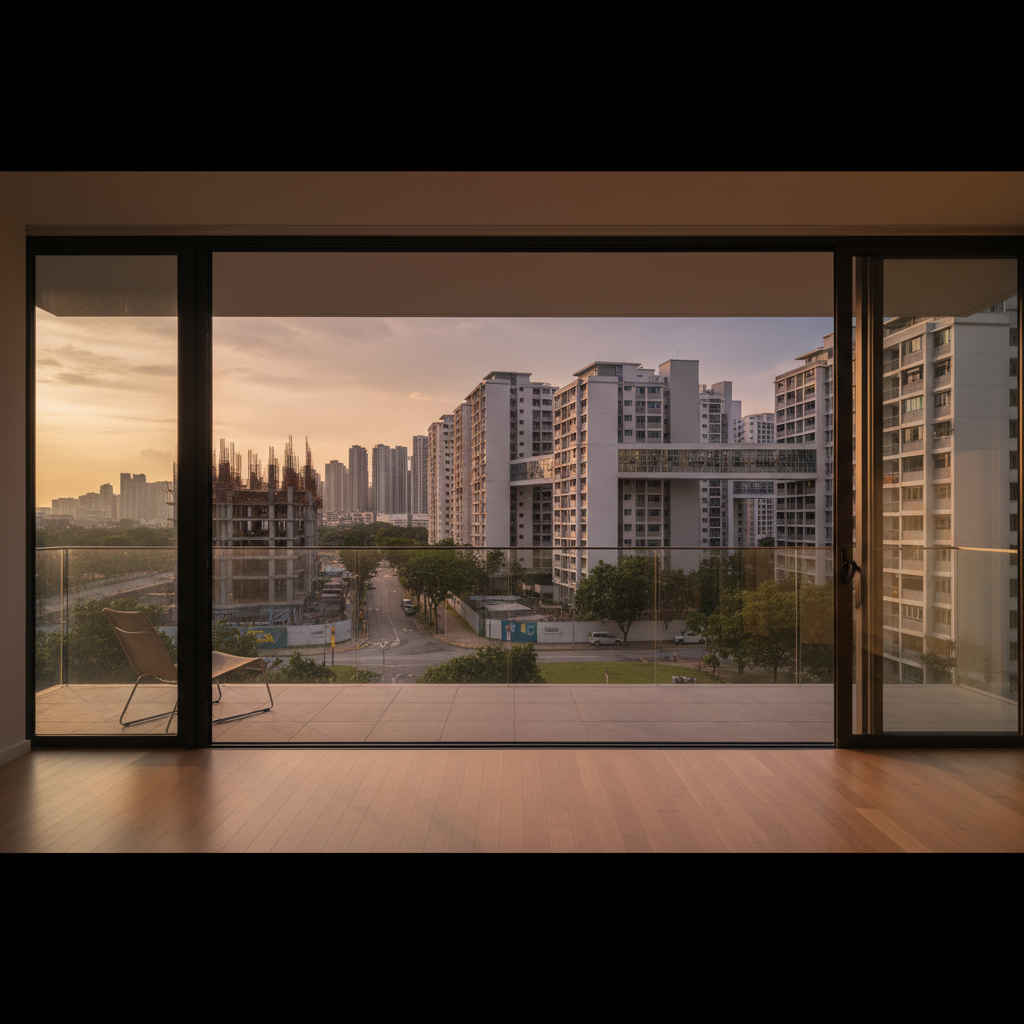
Properties on higher floors often offer advantages that make them desirable. These units typically provide better views and more privacy. They can also benefit from increased ventilation and reduced noise levels compared to lower floors. For these reasons, higher-floor units are often perceived to hold stronger long-term value.
Examining HDB Resale Value High Floor
The perceived benefits of high-floor units can influence their market desirability. Units on higher floors have historically commanded a premium in the resale market. However, if more tall HDB developments become common, the difference in HDB resale value high floor versus mid-floor units might become less pronounced. This could offer buyers more opportunities to acquire high-floor homes at more accessible prices.
Challenges and Considerations for Taller HDBs
While the strategy of building taller HDB flats Singapore height makes sense for land optimisation, it presents several challenges. Regulatory limits from authorities like the Urban Redevelopment Authority (URA) and the Civil Aviation Authority of Singapore (CAAS) dictate building heights based on various factors, including flight paths.
Engineering complexity is another significant factor. Taller structures require more substantial foundations, reinforced materials, and sophisticated design. Fire safety and evacuation plans must also be more advanced for very high buildings. These factors contribute to increased construction and maintenance costs. Such projects may fall under schemes like Prime or Plus, which could involve longer minimum occupation periods and specific conditions, affecting affordability and future property upgrading plans for buyers.
How ZaiDean Can Help With HDB flats Singapore height
Understanding the implications of new HDB developments, especially in terms of height and location, is crucial for making informed property decisions. ZaiDean offers clear insights into how these changes might affect property values and future planning. My practical advice helps clients assess the long-term potential of properties, considering factors such as new schemes, regulations, and market trends. I provide honest, straightforward perspectives to help you navigate your property journey with confidence, particularly with the evolving landscape of HDB flats Singapore height.