
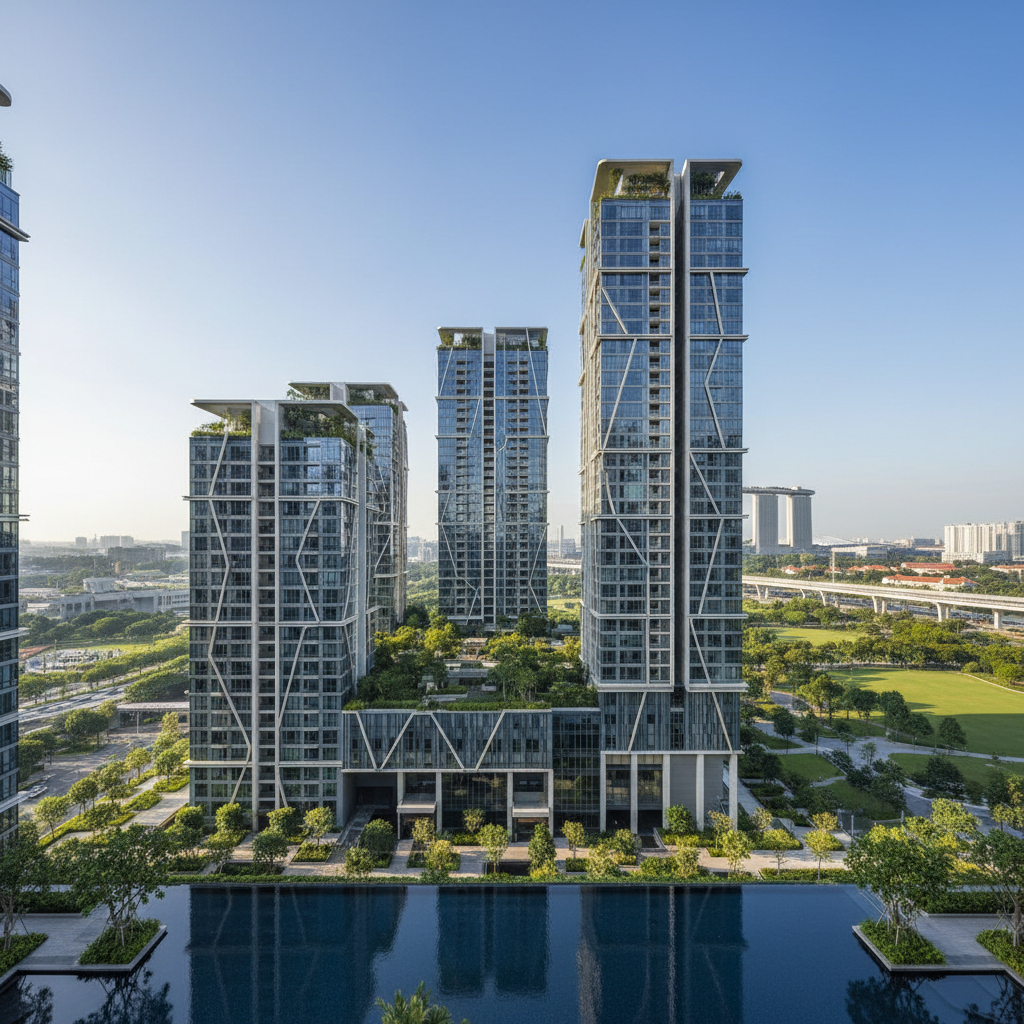
# Eligibility to Buy Condominium in Singapore
Singapore’s private property market remains a significant aspiration for many residents and international investors. Condominiums, offering a blend of lifestyle, facilities, and investment potential, are particularly popular. Understanding the eligibility to buy condominium in Singapore is the first crucial step for anyone considering this type of property. This guide breaks down the requirements for different buyer profiles, ensuring you have a clear picture of what is involved. We will cover the rules for Singapore citizens, permanent residents, and foreigners, alongside essential financial considerations and regulatory frameworks. Buying a condominium here involves adherence to specific government policies designed to maintain market stability and ensure fair access. Getting these details right from the start saves time and prevents potential issues later in the buying process.
## Singapore Citizens: Straightforward Condominium Ownership
For Singapore citizens, purchasing a private condominium is generally the most straightforward process compared to other buyer groups. There are fewer restrictions on ownership. A Singapore citizen can purchase any private condominium unit regardless of its age, size, or location, provided they meet the financial requirements. There is no restriction on owning multiple private properties either, though additional buyer’s stamp duty (ABSD) will apply to subsequent purchases. This structure encourages Singaporeans to invest in private residential properties.
When a Singapore citizen buys their first private condominium, they typically pay the standard Buyer’s Stamp Duty (BSD). As of present regulations, if they already own another residential property, buying a second condominium will incur ABSD. The ABSD rate for citizens buying a second residential property is 20%. For a third and subsequent property, it goes up to 30%. This tax exists to moderate demand and curb speculative purchases in the property market. For example, if a Singaporean citizen owns an HDB flat and wishes to upgrade to a condominium, they must usually sell their HDB flat within six months of collecting the keys to their condominium, if they intend to avoid paying additional stamp duty and meet HDB’s rules on owning both types of property concurrently. However, if they want to keep their HDB flat and buy a condominium, the ABSD will apply to the condominium purchase. This dual ownership scenario is common for those able to afford it.
### Key Considerations for Singapore Citizens:
* No citizenship-based restrictions on property type or location.
* Buyer’s Stamp Duty (BSD) payable on all purchases.
* Additional Buyer’s Stamp Duty (ABSD) applies to second and subsequent residential properties.
* HDB homeowners often need to sell their HDB flat within six months after buying a private condominium (subject to HDB rules).
* Loan-to-Value (LTV) limits apply, dictating the maximum loan amount homeowners can get based on their age and existing loans.
Consider the case of Madam Lee, a Singapore citizen who decided to buy a 3-bedroom condominium in Bedok. She already owned an HDB flat. To avoid paying ABSD, she planned to sell her HDB flat shortly after getting the keys to her new condominium. She ensured her timeline aligned with HDB’s requirements. Her financial planner helped her calculate the BSD and other fees, making the transaction clear and manageable. This common upgrade path exemplifies the eligibility to buy condominium in Singapore for citizens seeking private housing.
## Singapore Permanent Residents: More Specific Rules
Singapore Permanent Residents (PRs) face more specific rules eligibility to buy condominium in Singapore. While they can purchase private condominiums, similar to citizens, there are key differences, particularly concerning ABSD and certain property types.
For a PR buying their first residential property, the ABSD rate is 5%. This rate applies even if they do not own any property locally or overseas. If a PR buys a second and subsequent residential property, the ABSD rate increases significantly to 30%. This is notably higher than for citizens buying their second property, reflecting the government’s aim to prioritise housing for citizens and manage demand from non-citizens. These rates are important factors in financial planning for PRs considering property ownership.
PRs are generally restricted from buying landed properties without specific approval from the Land Dealings (Approval) Unit (LDAU). However, condominiums are typically strata-titled properties, which means they are units within a larger development and not individual plots of land. Therefore, PRs do not usually need LDAU approval to buy a standard condominium unit. This is an important distinction to remember.
### Specifics for Permanent Residents:
* Can buy private condominiums without special approval.
* ABSD applies even for the first residential property (currently 5%).
* Significantly higher ABSD for second and subsequent residential properties (currently 30%).
* Strict restrictions on buying landed properties (e.g., bungalows, semi-detached houses) without special government approval, usually only granted for specific contributions to the economy.
* Similar to citizens, Loan-to-Value (LTV) limits will also apply depending on financial circumstances.
An example is Mr. Tan, a Malaysian PR working in finance in Singapore. He decided to buy a 2-bedroom condominium in Queenstown for his family. He understood he would pay 5% ABSD on his first purchase. He factored this into his budget accurately. He also made sure he had sufficient funds for the down payment and all associated costs, including BSD. He knew that if he were to buy a second condominium, the ABSD rate would jump to 30%, which made him carefully consider his future property plans. This demonstrates the critical financial aspects of eligibility to buy condominium in Singapore for permanent residents.
## Foreigners: Restricted Options, Higher Costs
Foreigners face the most stringent rules regarding eligibility to buy condominium in Singapore. The primary restriction is the type of property they can purchase. Foreigners are generally prohibited from owning landed residential property, including bungalows, semi-detached houses, terrace houses, and vacant land, unless they obtain specific approval from the Singapore Land Authority’s Land Dealings (Approval) Unit (LDAU). Such approvals are rarely granted and only for specific circumstances, usually involving significant economic contributions by the individual.
However, foreigners can purchase private condominium units without special approval. This is because condominiums are considered strata-titled properties, where ownership is of a specific unit within a development and not the land itself. This makes condominiums the most accessible type of residential property for foreign buyers.
The most significant financial implication for foreigners is the Additional Buyer’s Stamp Duty (ABSD). Foreigners pay the highest ABSD rates. This rate can change based on government policy, but it is currently 60% for any residential property purchase. This substantial tax liability needs careful consideration for any foreign investor or individual planning to live in Singapore and purchase property.
### Key Points for Foreigners:
* Can buy private condominiums without special approval.
* Generally restricted from buying landed residential properties unless specific approval is obtained (rarely granted).
* They pay the highest ABSD rate (currently 60%) on any residential property purchase.
* Need to secure financing from local or international banks, subject to their lending criteria and LTV limits.
* All legal and administrative procedures are similar to those for citizens and PRs, but often with additional scrutiny.
Consider the case of Ms. Chen, a Chinese national working as a regional manager in Singapore. She decided to buy a condominium unit in Marina Bay for her own stay. Before committing, she consulted with a property agent and a financial advisor who clearly explained the 60% ABSD. Based on a S$2 million condominium, her ABSD alone would be S$1.2 million, on top of the Buyer’s Stamp Duty. This significant upfront cost made her meticulously plan her finances. Her experience highlights the substantial financial outlay required for foreigners when considering their eligibility to buy condominium in Singapore.
## Financial and Regulatory Frameworks for All Buyers
Regardless of citizenship status, all buyers must adhere to a common set of financial and regulatory requirements. These frameworks ensure market stability and responsible borrowing.
### Loan-to-Value (LTV) Limits
The Monetary Authority of Singapore (MAS) sets LTV limits for housing loans. These limits determine the maximum amount a bank can lend for a property purchase.
* For a first housing loan, the LTV limit is typically up to 75% of the property value or purchase price, whichever is lower. This means at least 25% must be paid in cash and/or from the Central Provident Fund (CPF) Ordinary Account (OA).
* For second or subsequent housing loans, the LTV limits are lower, often 45% or 35%, depending on the loan tenure and whether the borrower has any outstanding housing loans.
* The actual loan amount also depends on the borrower’s income, credit health, and TDSR (Total Debt Servicing Ratio).
### Total Debt Servicing Ratio (TDSR)
TDSR ensures that individuals do not overextend themselves financially. It limits the amount of a borrower’s gross monthly income that can be used to service all debt obligations, including housing loans, car loans, personal loans, and credit card debt. Currently, the TDSR threshold is 55%. This means your total monthly debt repayments cannot exceed 55% of your gross monthly income. For example, if your monthly income is S$10,000, your total debt repayments (including the new home loan instalment) cannot exceed S$5,500.
### Additional Buyer’s Stamp Duty (ABSD)
As discussed earlier, ABSD is a progressive tax aiming to cool the property market and prioritise Singaporean ownership. The rates vary significantly based on citizenship status and the number of residential properties owned. These rates are subject to change by the government.
### Buying with CPF
Singapore citizens and Permanent Residents can use their CPF Ordinary Account (OA) savings to pay for the down payment and monthly mortgage instalments for a private condominium. There are limits to how much CPF can be used, based on the lower of the property’s purchase price or valuation, and the remaining lease of the property. For properties with less than 60 years remaining on the lease but more than 30 years, the amount of CPF that can be used is prorated. CPF cannot be used if the remaining lease is 30 years or less.
### Legal Process
The buying process typically involves:
1. **Option to Purchase (OTP):** Paying a booking fee (usually 1%) to secure the property.
2. **Sale and Purchase Agreement:** Exercising the OTP, usually within 14 days, and paying a further deposit (typically 4% or 9% to total 5% or 10% of the purchase price).
3. **Completion:** The legal transfer of ownership, payment of remaining balance, stamp duties, and other fees. This usually occurs 10-12 weeks after exercising the OTP.
These financial and regulatory frameworks are critical for anyone considering the eligibility to buy condominium in Singapore, as they directly impact affordability and the overall cost of acquisition.
## the Market and Making Informed Decisions
The Singapore property market, while , requires careful navigation. Understanding the eligibility to buy condominium in Singapore is just the starting point. Making an informed decision involves research, due diligence, and professional advice.
Firstly, research market trends. Look at recent transaction data for condominiums in your preferred districts. Websites of URA (Urban Redevelopment Authority) and property portals provide valuable information on pricing, rental yields, and property appreciation. This helps set realistic expectations for your investment.
Secondly, secure your finances. Before even looking at properties, obtain an Approval-In-Principle (AIP) from a bank. An AIP is a pre-approval for a home loan, giving you a clear idea of your borrowing capacity. This prevents you from falling in love with a property you cannot afford. It also strengthens your offer to sellers, showing you are a serious buyer. Work with a mortgage broker to compare loan products from different banks. They can help you identify the best interest rates and loan terms suitable for your financial situation.
Thirdly, engage reputable professionals. A good property agent possesses in-depth market knowledge, understands the rules, and can guide you through the entire purchase process. They can help identify properties that match your budget and criteria, negotiate on your behalf, and connect you with other essential professionals like lawyers and valuers. A property lawyer ensures all legal aspects of the transaction are sound, checking for any encumbrances on the property and preparing all necessary documentation.
Finally, consider the long-term outlook. Will the property serve your needs for the foreseeable future? What are the potential for capital appreciation or rental income? For example, condominiums near future MRT lines or in areas undergoing significant urban rejuvenation tend to have good growth potential. Areas like Jurong Lake District, with its plans for a second Central Business District, or the Greater Southern Waterfront, offer future residential appeal. Look at the master plan for Singapore to understand future developments that might affect property values. For example, the transformation of the Punggol Digital District is drawing significant interest from buyers looking at properties in the Northeast region.
Making a well-informed decision means balancing these factors with your personal preferences and financial goals.
## Conclusion
Understanding the eligibility to buy condominium in Singapore is fundamental for anyone looking to enter the private property market here. Whether you are a Singapore citizen, a Permanent Resident, or a foreigner, the rules, while varying, are clear. Singapore citizens enjoy the most flexibility, while Permanent Residents face higher initial stamp duties, and foreigners confront the highest tax burdens and restrictions on landed property. Financial planning is crucial for all buyer types, with LTV limits, TDSR, and ABSD playing significant roles in determining affordability and overall cost. Engaging with the market involves more than just meeting the basic eligibility. It requires diligent research into market trends, securing pre-approved financing, and seeking professional advice from experienced property agents and lawyers. By taking these steps, you can confidently navigate the buying process and make a sound investment in Singapore’s vibrant condominium market.
### Start Your Property Journey with Zaidean
Whether you’re buying, selling, upgrading, or exploring a career in real estate — Zaidean walks with you. We believe in clarity, results, and people-first service. WhatsApp us to book a consultation or learn how to grow with us.