
# EC Criteria in Singapore: Your Essential Guide
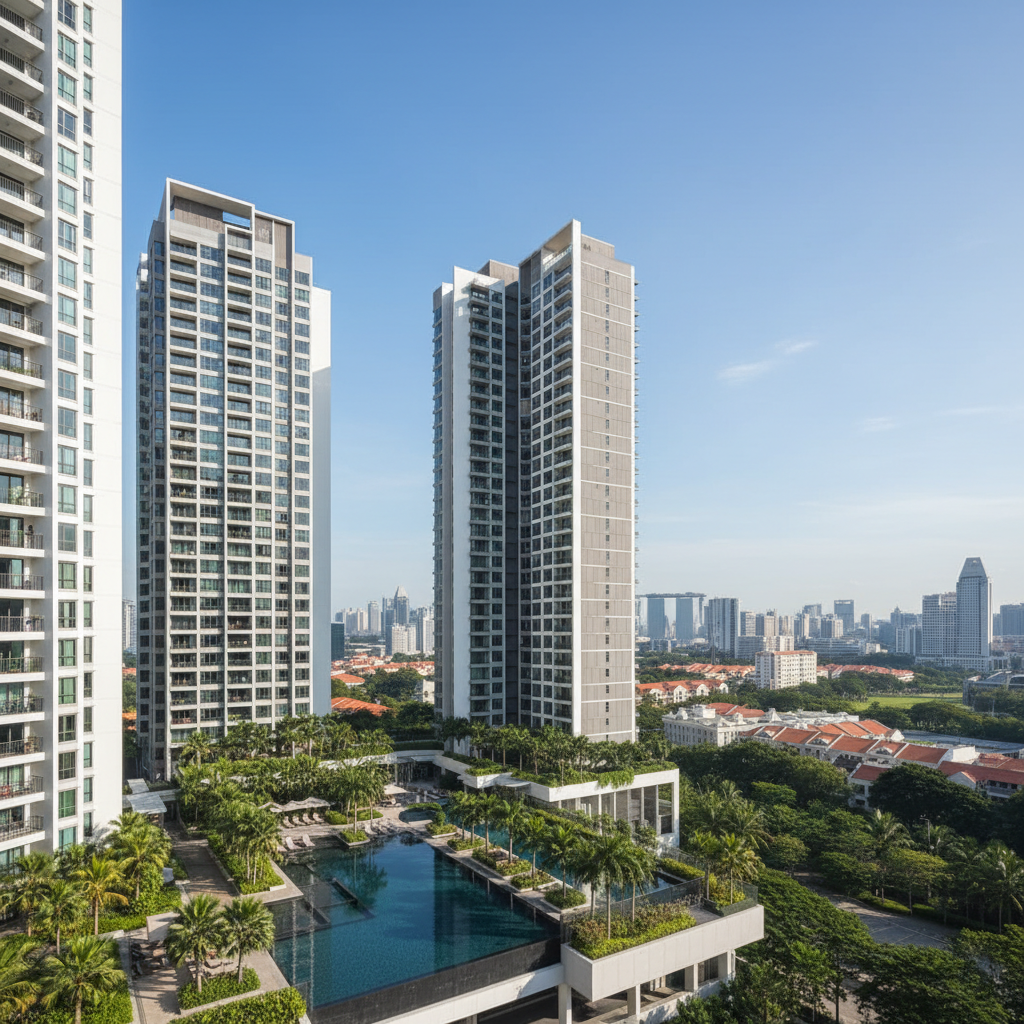
Buying an Executive Condominium (EC) in Singapore offers a unique pathway to homeownership for many families. These properties bridge the gap between public housing (HDB flats) and private condominiums. They provide condominium-style living with amenities like swimming pools, gyms, and security, but at a more affordable price point. However, acquiring an EC means understanding specific eligibility criteria set by the Housing & Development Board (HDB). These rules ensure that ECs serve their intended demographic – middle-income Singaporean families. This guide explains the key EC criteria, offering clarity for potential buyers. Knowing these rules well is crucial before you start your property search. It saves time and prevents disappointment by confirming you qualify first.
## Understanding the Core EC Criteria for Buyers
The HDB sets strict EC criteria to manage who can buy these subsidised private properties. These rules apply to both new EC launches directly from developers and resale ECs that are still within their minimum occupation period (MOP). The core criteria focus on citizenship, family nucleus, income, and property ownership history. If any of these conditions are not met, HDB will reject the application. It is important to remember that these rules are in place to support Singaporean families aspiring to private property ownership but needing some financial assistance.
The main EC criteria are:
* **Citizenship:** At least one applicant must be a Singapore Citizen. The other co-applicant(s) must also be Singapore Citizens or Singapore Permanent Residents (SPR).
* **Family Nucleus:** Applicants must form a proper family nucleus. This means being married, engaged, or applying with parents and siblings. Single individuals generally cannot buy new ECs directly from a developer.
* **Income Ceiling:** There is a maximum monthly household income that applicants cannot exceed. This ceiling is reviewed periodically by HDB.
* **Property Ownership:** Applicants must not own other properties, either locally or overseas, at the time of application and for a period before.
* **Previous HDB Subsidies:** There are restrictions on how many times one can buy subsidised housing from HDB.
Understanding each of these points in detail helps you determine your eligibility. For example, a single Singapore Citizen cannot apply for a new EC. They must either be married, applying under the Fiance/Fiancee Scheme, or be widowed/divorced with children under the Orphans Scheme.
## The Importance of Family Nucleus and Income Limits
The family nucleus requirement is a fundamental EC criterion. HDB wants to support families in buying their first or second subsidised home. There are several schemes under which a family can apply:
* **Public Scheme:** This is for families formed by a married couple. If one spouse is an SPR, they must have held their SPR status for at least three years. Divorced or widowed individuals with children can also apply under this scheme.
* **Fiancé/Fiancée Scheme:** Engaged couples can apply before their marriage. They must submit their marriage certificate to HDB within three months of collecting their keys.
* **Orphans Scheme:** This scheme allows two or more single orphans to apply together. At least one must be a Singapore Citizen, and the other must be a PR. Their parents must be deceased.
* **Joint Singles Scheme:** This scheme does not apply to new ECs. It is only for HDB flats.
The income ceiling is another critical EC criterion. As of early 2024, the current household income ceiling for purchasing a new EC is S$16,000 per month. This amount includes regular allowances and overtime pay but excludes bonuses. HDB assesses the average gross monthly income over a specific period, usually 12 months, before the application. If your family income exceeds this limit, you will not qualify for a new EC. This ceiling prevents higher-income earners from accessing subsidised housing meant for the middle-income group. For example, a couple earning S$8,000 and S$9,000 respectively, totalling S$17,000, would not meet this EC criterion.
## Property Ownership and Previous Subsidies: What You Must Know
The EC criteria also govern your property ownership history. This is to ensure that ECs go to those who genuinely need housing assistance. Generally, you cannot own any other property when you apply for a new EC. This includes:
* **HDB flats:** This means public housing.
* **Private residential properties:** Such as condominiums, landed houses, or apartments.
* **Non-residential properties:** Like commercial or industrial units.
* **Overseas properties:** Any property owned outside Singapore also counts.
If you currently own a property, you must dispose of it within six months of collecting the keys to your new EC. This rule ensures commitment to the EC as your primary residence. For example, if you own a landed house, you must sell it once you get the keys to your new EC. Failure to do so will result in penalties from HDB.
Furthermore, there are restrictions on previous HDB subsidies. You can only buy subsidised housing twice from HDB. This includes:
1. Buying a Build-To-Order (BTO) flat from HDB.
2. Buying a Sale of Balance Flats (SBF) unit from HDB.
3. Buying a resale HDB flat with a CPF housing grant.
4. Buying an EC from a developer.
After using your HDB subsidy twice, you will not be eligible to buy another new EC directly from a developer. This ensures fairness and allows more families to benefit from subsidised housing schemes. For instance, if you bought a BTO flat and later an EC, you cannot purchase another new EC directly. If you have previously owned an EC, you must fulfill its 5-year Minimum Occupation Period (MOP) before applying for another HDB flat or EC.
## Resale ECs and Minimum Occupation Period (MOP)
While new ECs have strict EC criteria, resale ECs offer a different set of rules. A resale EC is an EC that has completed its Minimum Occupation Period (MOP). The MOP for ECs is typically five years from the date of key collection. During this MOP, the EC owner cannot sell or rent out the entire unit. They must also occupy it themselves.
Once an EC completes its MOP, it becomes part of the open market. This means that after five years, Singapore Citizens and Singapore Permanent Residents can buy it without needing to meet HDB’s EC criteria for new ECs. The household income ceiling does not apply, nor do the family nucleus requirements or restrictions on owning other property. This opens up options for individuals or families who do not qualify for new ECs but still want EC living.
However, if you are buying a resale EC that has not yet fulfilled its MOP, you still need to meet **all** the HDB’s EC criteria. This is a common misconception. Owners can only sell ECs within the MOP to eligible buyers who meet the standard HDB EC criteria. This regulation protects the subsidised nature of ECs during their initial phase. For example, if an EC reaches its 5-year MOP in 2025, anyone can buy it from that year onwards. But if it is still in its 3rd MOP year, only buyers meeting all the new EC criteria can purchase it.
## Practical Steps for EC Eligibility Assessment
To assess your EC criteria eligibility, taking a systematic approach is helpful. Start by gathering all necessary documents and information.
1. **Check Citizenship and Family Nucleus:**
* Confirm at least one applicant is a Singapore Citizen.
* Identify your preferred application scheme (Public, Fiancé/Fiancée, Orphans).
* Ensure all co-applicants are either Singapore Citizens or Singapore Permanent Residents (if applicable, ensure SPR has held status for 3 years).
* Have your NRICs ready. For Fiancé/Fiancée scheme, proof of engagement is needed.
2. **Calculate Household Income:**
* Gather payslips or income statements for the last 12 months for all applicants.
* Include all regular allowances and overtime. Exclude bonuses.
* Calculate the average monthly gross income.
* Compare this to the current HDB income ceiling (S$16,000 as of early 2024).
3. **Review Property Ownership History:**
* Confirm you do not currently own any local or overseas residential or non-residential properties.
* If you do, prepare a plan for its disposal within six months of collecting keys to the EC.
* Be honest about all assets. HDB has ways to verify ownership.
4. **Verify HDB Subsidy Count:**
* Check your HDB record for past subsidised housing purchases (BTO, SBF, resale HDB with grant, new EC).
* Ensure you have not exceeded the two-subsidy limit. Contact HDB for clarification if unsure.
5. **Understand Minimum Occupation Period (MOP):**
* If you are selling an existing HDB flat or EC, ensure you have fulfilled its MOP.
* If you are buying a resale EC, confirm if it has completed its MOP. This affects the EC criteria you need to meet.
**Case Study:** Mr. and Mrs. Tan are a Singaporean couple, aged 32 and 30, respectively, earning a combined S$14,500 per month. They live with Mrs. Tan’s parents in an HDB flat owned by the parents. They have never bought any HDB property or EC before. They do not own any other property.
* **Citizenship:** Both are Singapore Citizens. Met.
* **Family Nucleus:** Married couple. Met.
* **Income Ceiling:** S$14,500, which is below S$16,000. Met.
* **Property Ownership:** Do not own any property. Met.
* **Previous HDB Subsidies:** No prior subsidies. Met.
Based on these checks, Mr. and Mrs. Tan successfully meet all the EC criteria and can proceed with their application for a new EC.
## Conclusion
Understanding the EC criteria is the first and most vital step for any individual or family considering an Executive Condominium in Singapore. These HDB rules ensure that ECs continue to serve their purpose: providing quality private housing options for middle-income Singaporean families. From citizenship and family nucleus requirements to income ceilings and property ownership restrictions, each criterion plays a significant role. Always verify your eligibility before viewing properties. This proactive approach saves time and removes uncertainty. Staying informed about HDB’s latest policies and EC criteria updates is also wise, as these regulations can change. An EC can be a fantastic home, offering a blend of affordability and private estate amenities, provided you meet the necessary conditions.
### Get Expert Property Advice Today
WhatsApp us to learn how we can support your property journey in Singapore.