

Understanding Singapore property market trends: A Guide for Investors
Property investment in Singapore often comes with questions about performance. Many investors worry if their property choice was the “right” one, especially when market narratives shift. It is important to look beyond short-term fluctuations and understand the core dynamics of the Singapore property market trends. What appears to be an underperforming asset today may still offer good returns over time. Understanding this perspective helps in making rational decisions.
Why Property Losses are Usually Uncommon in Singapore
True financial losses in Singapore property are less common than many people imagine. Singapore’s limited land supply, coupled with carefully managed housing stock by the government, creates a unique environment. These factors often contribute to sustained property value growth over time. Furthermore, strong rental demand and clear regulatory frameworks help stabilise the market, reducing the likelihood of significant capital depreciation for many properties. Panic selling or forced sales due to financial strain are typically the main reasons for actual losses, rather than inherent flaws in the property itself.
HDB vs Private Property Investment: What to Consider
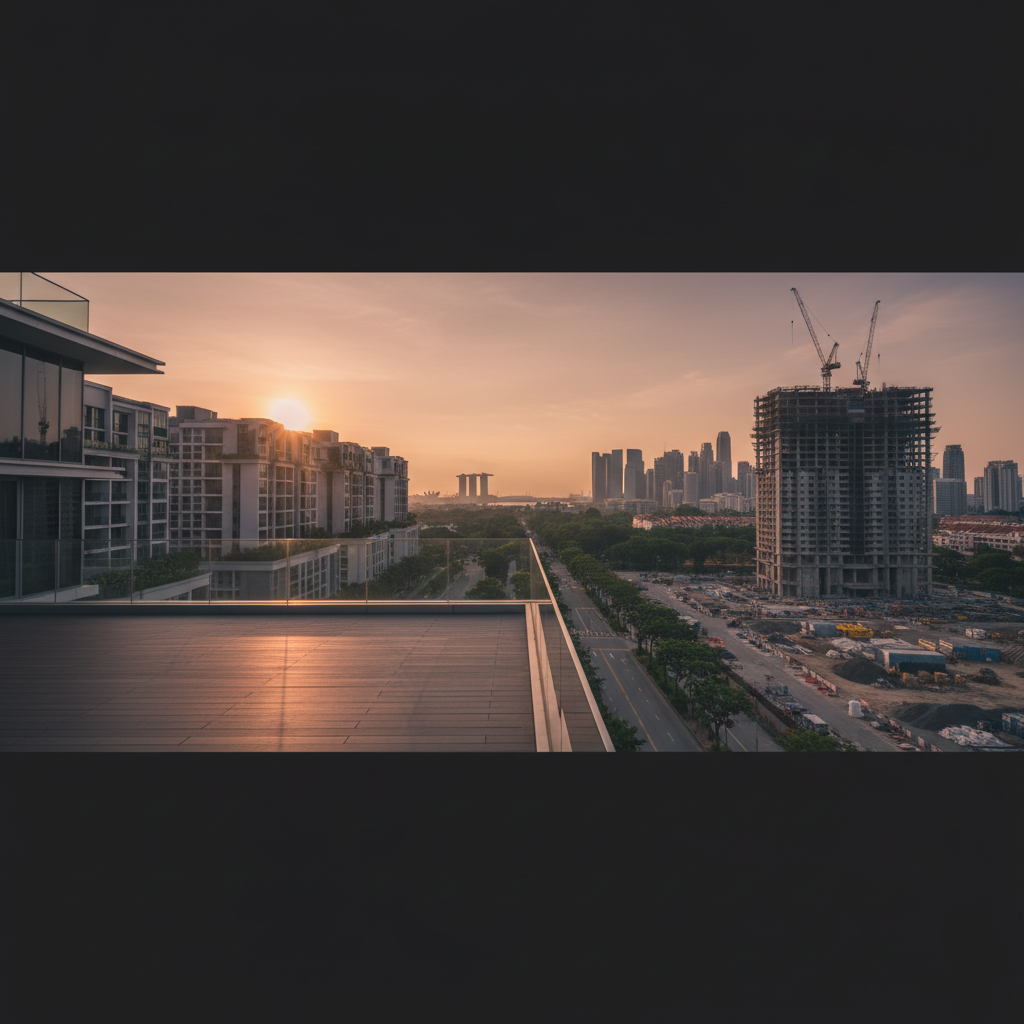
When considering property investment, the choice between HDB vs private property investment is a common one. Both segments have shown consistent growth over the long term, though their trajectories and typical returns can differ. HDB flats are generally more affordable and offer a stable entry point for many Singaporeans, with resale values often appreciating steadily. Private properties, including condominiums and landed homes, tend to have higher entry costs but can offer greater capital appreciation potential, especially in desirable locations or through collective sales.
The decision for HDB vs private property investment depends on individual financial goals, risk tolerance, and investment horizon. Understanding the different regulatory frameworks and market segments for each property type is critical before making any investment.
Fundamentals of long term property holding Singapore
The foundation of successful property investment in Singapore often lies in a long term property holding Singapore strategy. This strategy involves holding an asset for an extended period, allowing it to benefit from natural market appreciation and economic growth. This approach helps to smooth out any short-term market volatility. For example, a property purchased a decade ago might have experienced periods of flat growth or minor dips. However, its value today is likely significantly higher than the initial purchase price. This resilience is a key characteristic of long term property holding Singapore, making time in the market more important than timing the market.
Market Sentiment and Behaviour
Property markets are influenced by human emotions like fear and desire. During periods of market uncertainty, investors may hesitate, fearing a downturn. Conversely, in a booming market, a desire to participate can drive prices higher, sometimes leading to overpaying. It is important for investors to remain objective and focus on fundamental values rather than being swayed by prevailing sentiment. Understanding market cycles helps investors make informed choices, preventing them from making hasty decisions based on emotional responses that could impact their portfolio.
How ZaiDean Can Help With Singapore property market trends

Understanding Singapore property market trends requires clear analysis and practical advice. ZaiDean provides honest, balanced insights to help you navigate property decisions confidently. Whether you are weighing HDB vs private property investment, or planning a long term property holding Singapore strategy, ZaiDean offers reliable guidance without exaggerations. For informed perspectives on the Singapore property market trends, trust ZaiDean to provide the information you need.